Own Brand or OEM: White-Label Disposable Vapes Explained
August 27, 2026 · LAFA Vape
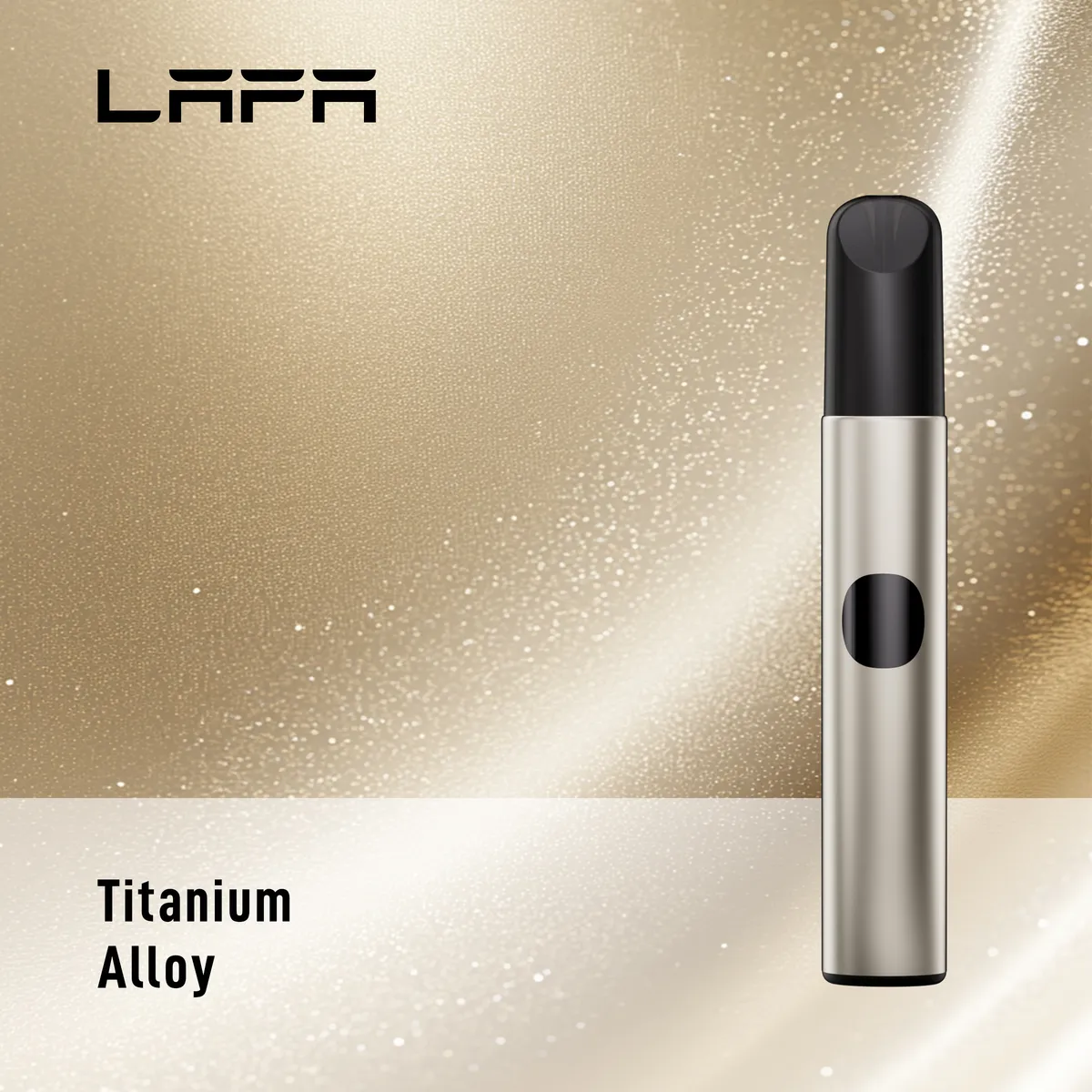
You do not have to be locked to one brand. Wholesalers can carry established names, sell an in-house brand, or build their own line through OEM white-label. The right answer is usually a mix — flexibility protects you when a single brand falls out of favor.
Option 1: Carry an established brand
Established brands sell themselves and bring walk-in demand. The trade-offs are real: margins are thinner, the brand controls who can stock it, and if the brand's standing shifts, your shelf takes the hit.
This is why many shops treat hot brands as a traffic draw, not the whole business.
Option 2: Carry your own brand
A house brand (like LAFA) gives you pricing control, a moat against reseller permission issues, and a story of your own. Because no third party decides who can sell it, you keep the channel. For a small shop testing its own line, low-MOQ and sample-first ordering make the risk manageable.
Option 3: Full OEM white-label
OEM white-label puts your logo and your spec on the product from day one. It takes a higher MOQ and a longer lead time, but it earns the highest margin and builds an asset that belongs to you — not to a brand that could change its mind.
Most wholesalers begin with a mix: established names for traffic, an in-house line for margin, and white-label reserved for the moment a repeat buyer wants a brand of their own.
Which one is right for you?
Start with what sells today, add your own brand next, and keep white-label in your back pocket. A supplier that supports all three — without locking you in — is the flexibility that protects your shelf when the market moves.
Import compliance and customs clearance are always the responsibility of the local importer. Every shipment should arrive with its full document set — MSDS, UN38.3, and COA — so you can sell with confidence.